How Digital Assessment Tools and Laser Treatments Support Cosmetic Tattoo Correction
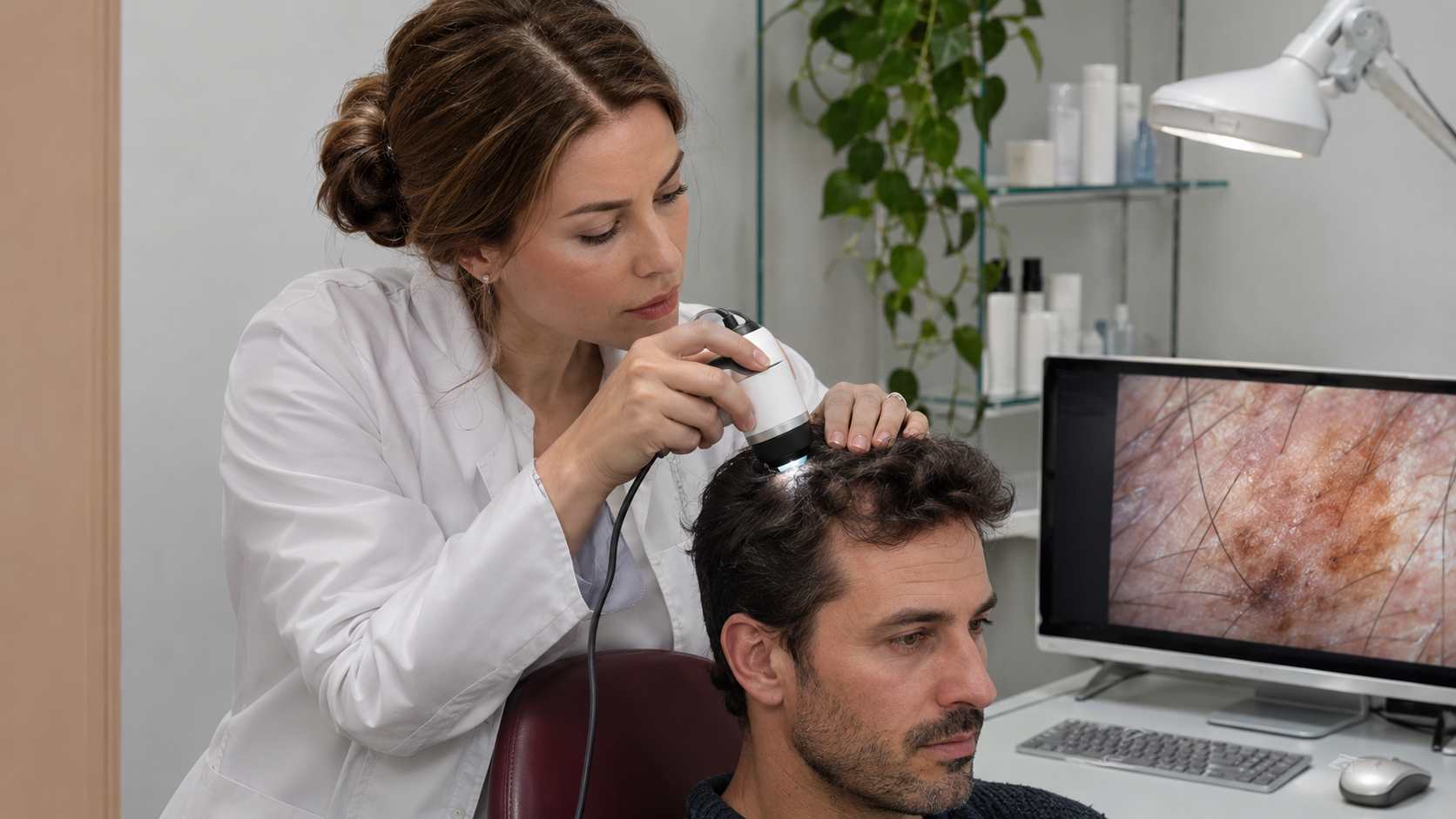
Cosmetic pigmentation procedures offer ways to improve the appearance of thinning hair, uneven hairlines, and patchy facial hair. Scalp and beard micropigmentation create the impression of greater hair density by depositing pigment into the skin. The International Society of Hair Restoration Surgery (ISHRS) recognises scalp micropigmentation as a cosmetic approach to concealing hair loss. However, changing aesthetic preferences and unsatisfactory results may lead individuals to consider corrective treatments.
ISHRS
Digital assessment tools and laser technologies can support procedures such as scalp micropigmentation removal. Clinical photography helps practitioners document existing pigmentation, while lasers can target unwanted pigment particles. The US Food and Drug Administration (FDA) explains that laser tattoo removal requires appropriate equipment, an understanding of skin responses, and suitable aftercare. Treatment outcomes depend on individual circumstances.
FDA
Why Cosmetic Pigmentation Sometimes Requires Correction
Cosmetic tattoo results may change over time or differ from what an individual originally expected. Research published in the Journal of Cosmetic Dermatology has examined corrective approaches for unsatisfactory scalp micropigmentation outcomes.
PubMed
Common aesthetic concerns include:
- Uneven pigment distribution across the treated area.
- Pigment colours that appear unnatural.
- Blurred or excessively large pigmentation dots.
- Hairlines that lack a natural shape.
- Visible differences between treated and untreated areas.
These concerns can become more noticeable as natural hair loss progresses. Understanding the underlying problem helps practitioners determine whether pigment correction, fading, or more extensive removal is appropriate.
How Digital Assessment Supports Treatment Planning
Digital photography provides a visual record of cosmetic pigmentation. High-resolution cameras and magnified skin imaging can help practitioners examine pigment patterns, skin texture, and colour differences.
Research published in JAMA Dermatology highlights the importance of consistent lighting, fixed camera distances, and standardised photography environments. These practices make clinical images easier to compare across appointments. However, photographs supplement professional skin assessments rather than replace them.
JAMA Network
A Step-by-Step Guide to Cosmetic Tattoo Correction
Step 1: Conduct an Initial Consultation
The corrective process begins with a professional consultation. Practitioners examine the pigmentation, discuss aesthetic concerns, and review previous procedures. Relevant information may include the original pigment colour, treatment dates, medical history, and previous skin reactions.
The American Academy of Dermatology (AAD) emphasises the importance of evaluating a patient’s health and skin condition before laser tattoo removal. This assessment also provides an opportunity to discuss realistic expectations and possible treatment risks.
American Academy of Dermatology
Step 2: Document Pigmentation Through Digital Imaging
Clinical photography establishes a visual reference before corrective treatment begins. Practitioners may capture several images to document pigment distribution, hairline shape, and surrounding skin conditions.
Guidelines from DermNet recommend several practices for reliable clinical photography:
- Maintain consistent lighting and camera settings.
- Capture images from appropriate angles.
- Use a neutral background where possible.
- Obtain informed patient consent.
- Protect the privacy of stored photographs.
Magnified images can provide additional information. Research published in Skin Appendage Disorders describes how trichoscopy can reveal the appearance and distribution of micropigmentation dots on the scalp.
Step 3: Select an Appropriate Corrective Method
Different pigmentation concerns require different approaches. Some individuals may need partial fading, while others may prefer more extensive removal before considering another cosmetic procedure.
Clinical guidance published by StatPearls identifies pigment colour, skin colour, and laser wavelength as important considerations when planning tattoo removal. Practitioners may also perform a small test treatment to evaluate potential skin and pigment responses.
Treatment decisions should reflect individual needs rather than a standard approach for every patient.
Step 4: Apply Laser Technology Where Suitable
Laser-based correction uses concentrated pulses of light to break unwanted tattoo pigment into smaller particles. The body’s natural processes gradually clear some of these fragments.
The FDA explains that different pigment colours absorb different wavelengths of light. This means that selecting suitable laser equipment is an important part of treatment planning.
Q-switched and picosecond lasers are among the technologies used for tattoo removal. However, practitioners must consider their suitability for each individual, particularly when treating sensitive areas or darker skin tones.
The integration of digital health technologies in laser treatments extends beyond dermatology. For example, digital corneal mapping supports personalised treatment planning in certain laser vision correction procedures. Although these medical applications differ, both illustrate how digital assessment can support individualised treatment decisions.
Step 5: Monitor Skin Recovery and Pigment Fading
Follow-up appointments allow practitioners to evaluate skin recovery and compare pigmentation with earlier photographs. These assessments help determine whether additional treatment is appropriate.
The American Academy of Dermatology explains that laser tattoo removal generally requires multiple sessions. Recovery periods between treatments allow the skin to heal and the body to continue clearing fragmented pigment.
Patients should follow professional aftercare instructions and report unexpected skin reactions.
The Role of Digital Patient Records
Digital patient records bring clinical photographs, consultation notes, treatment details, and recovery observations together. Practitioners can review this information when planning subsequent appointments or discussing progress with patients.
Research published in the British Medical Journal (BMJ) highlights the value of accurate clinical photography for documenting skin conditions while protecting patient confidentiality.
BMJ
Consistent records can also support communication between healthcare professionals. However, digital documentation requires secure storage, appropriate access controls, and informed consent. Image-enhancing filters should be avoided when photographs serve as clinical records.
Understanding Treatment Limitations and Potential Risks
Laser treatment does not guarantee complete pigment removal. Pigment composition, placement depth, skin characteristics, and individual healing responses can influence results.
Clinical research published in the Journal of Cutaneous and Aesthetic Surgery identifies several possible complications associated with laser tattoo removal, including:
-
- Temporary redness, swelling, or blistering.
- Darkening of certain cosmetic pigments.
- Hyperpigmentation or darkened skin.
- Hypopigmentation or lightened skin.
- Residual pigmentation and possible scarring.
People with darker skin tones may face additional risks of pigmentation changes. DermNet highlights the importance of careful laser selection and professional assessment when treating skin of colour.
Digital imaging cannot eliminate these risks or reliably predict individual healing responses. Its primary purpose is to improve documentation and support informed clinical decisions.
Bringing Digital Assessment and Laser Technology Together
Digital assessment tools and laser treatments serve complementary roles in cosmetic tattoo correction. Photography provides a consistent visual reference, while laser technology offers a potential method for reducing unwanted pigmentation.
As imaging technologies develop, practitioners may gain more detailed ways to evaluate treatment progress. Nevertheless, professional judgement, patient safety, realistic expectations, and responsible treatment planning remain central to effective cosmetic care.