How Virtual Hair and Scalp Consultations Are Expanding Access to Personalized Beauty Care
Digital health technologies have influenced far more than medical appointments. Video calls, secure messaging, and image-based assessments have inspired similar approaches across the beauty industry, allowing clients to discuss hair concerns, share scalp images, and receive personalized recommendations before stepping into a salon. Virtual consultations have become an additional way for professionals to understand client goals, improve appointment planning, and make expert guidance more accessible for people with busy schedules or limited mobility.
Many salons now combine online booking systems with digital consultations to streamline the client experience. A Winter Garden hair salon, for example, may invite new clients to upload photos of their hair, describe previous treatments, and discuss desired results before an appointment. This preparation helps stylists gather relevant information in advance while giving clients an opportunity to ask questions about services, maintenance, or product recommendations. Virtual consultations support planning, although they do not replace the detailed assessment that occurs during an in-person visit.
How Virtual Beauty Consultations Work
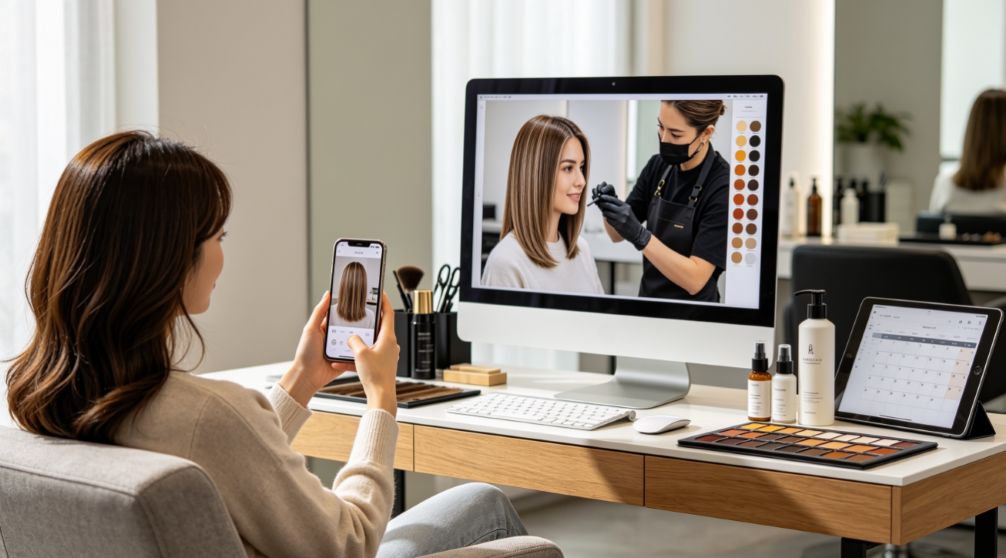
Most virtual consultations begin with a questionnaire covering hair history, lifestyle, allergies, and styling habits. Clients often upload photographs taken in natural lighting from several angles, allowing stylists to evaluate visible characteristics such as hair density, curl pattern, color condition, or signs of dryness.
Some businesses also schedule live video consultations, giving professionals the opportunity to discuss concerns in real time. During these conversations, stylists may ask clients to part their hair, adjust camera angles, or describe symptoms such as itching, excessive shedding, or scalp sensitivity. While these observations can provide useful context, experts recognize that camera quality, lighting, and image resolution can affect what is visible.
The Growing Role of Digital Scalp Assessments
Healthy hair often begins with a healthy scalp. Increasing awareness of scalp care has encouraged salons to incorporate digital assessment tools into their consultation process. High-resolution smartphone cameras, combined with specialized imaging devices in some cases, allow professionals to identify visible concerns before scheduling treatments.
Research published by the International Journal of Trichology highlights the importance of thorough scalp evaluation when addressing common conditions such as dandruff, excessive oil production, inflammation, and hair thinning. Early identification can help professionals recommend appropriate next steps while recognizing situations that require medical evaluation instead of cosmetic treatment.
Reports from the American Academy of Dermatology also emphasize that persistent scalp irritation, sudden hair loss, or painful lesions should be examined by qualified healthcare professionals because photographs alone cannot provide a complete diagnosis. Beauty consultations can identify visible concerns, but they are not a substitute for dermatological care when medical conditions are suspected.
Personalized Treatment Planning Before the Appointment
One advantage of virtual consultations is the ability to create a customized service plan before the client arrives. Rather than spending much of the appointment discussing goals, stylists can review submitted information in advance and prepare products, equipment, or treatment options that best match the client’s needs.
This planning may include recommendations such as:
- Hydration treatments for dry or chemically processed hair.
- Scalp cleansing services for excessive product buildup.
- Color correction consultations after previous chemical services.
- Extension maintenance planning based on current hair condition.
- Suggested home-care routines between salon visits.
Findings from the Professional Beauty Association suggest that personalized consultations contribute to clearer communication between stylists and clients, helping establish realistic expectations before services begin.
Convenience for Clients and Professionals
Virtual consultations offer practical benefits beyond treatment planning. Clients can schedule appointments outside traditional business hours, receive preliminary advice while traveling, or determine whether a particular service is appropriate before making a longer visit.
Professionals also benefit by reducing consultation time during appointments, organizing schedules more efficiently, and gathering important information beforehand. Digital booking platforms often integrate consultation forms, appointment reminders, and follow-up communications into a single system, making the overall experience more organized.
Data from the McKinsey Health Institute indicates that consumers increasingly expect digital convenience across many service industries, including wellness and personal care. The preference for flexible online interactions continues to shape how businesses communicate with clients.
Understanding the Limitations of Virtual Assessments
Despite their advantages, virtual consultations have clear limitations. Hair texture, elasticity, moisture levels, and scalp health are often easier to evaluate through direct examination. Camera filters, inconsistent lighting, and image compression may alter the appearance of color or conceal subtle signs of damage.
Professionals frequently adjust treatment recommendations after examining the client’s hair in person. A stylist may discover hidden breakage, previous chemical processing, mineral buildup, or scalp sensitivity that photographs did not accurately reveal.
Experts from the American Academy of Dermatology note that certain symptoms require physical examination or laboratory testing to determine their underlying cause. Hair thinning, sudden shedding, or scalp inflammation may result from nutritional deficiencies, hormonal changes, autoimmune conditions, or other medical issues beyond the scope of cosmetic consultation.
Technology Continues to Improve the Experience
Artificial intelligence, enhanced imaging software, and machine learning are gradually improving digital beauty consultations. Some platforms assist professionals by organizing client photographs, tracking treatment progress over time, or helping identify visible changes between appointments. Similar advances are reshaping healthcare delivery, as telehealth for mental health demonstrates how secure virtual consultations can improve access to qualified professionals when in-person visits are not always practical.
Studies published by the National Institutes of Health show that artificial intelligence has growing potential in dermatology and image analysis, although researchers emphasize that clinical judgment remains essential. Similar principles apply to beauty consultations, where technology can support decision-making without replacing professional expertise.
Secure communication platforms have also become increasingly important. Clients often share personal images and health-related information during consultations, making privacy protections an essential part of responsible digital service delivery.
Balancing Digital Convenience with Professional Care
Virtual consultations have expanded access to personalized beauty guidance by making expert advice easier to obtain before an appointment. Digital questionnaires, online booking, photo submissions, and video consultations help clients prepare for services while allowing professionals to plan treatments more effectively. These tools improve convenience, communication, and efficiency for both sides.
Even with these advances, hands-on evaluation remains an important part of professional hair care. Physical examination allows stylists to assess texture, density, scalp condition, and overall hair health with greater accuracy than photographs alone. Digital consultations work best as a complement to in-person expertise, combining modern technology with the detailed assessment and personalized attention that professional salon visits continue to provide.