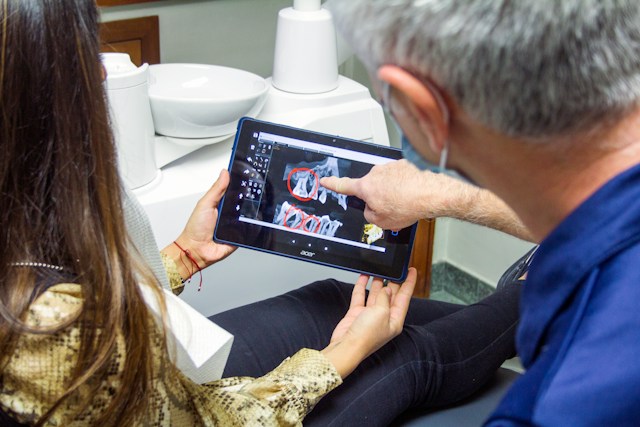
Healthcare facilities use visual communication systems to share announcements, provide patient education, and communicate operational information. Digital displays have expanded these capabilities in hospitals, treatment centers, and behavioral health facilities. However, traditional noticeboards remain practical for communicating information that requires continuous visibility.
Choosing between these communication methods involves more than comparing convenience and cost. Environmental safety also matters. For example, a ligature-resistant TV enclosure may form part of a protective digital display installation in certain behavioral health environments. Healthcare administrators must balance these considerations with accessibility, maintenance requirements, and communication effectiveness.
Understanding Digital Displays and Traditional Noticeboards
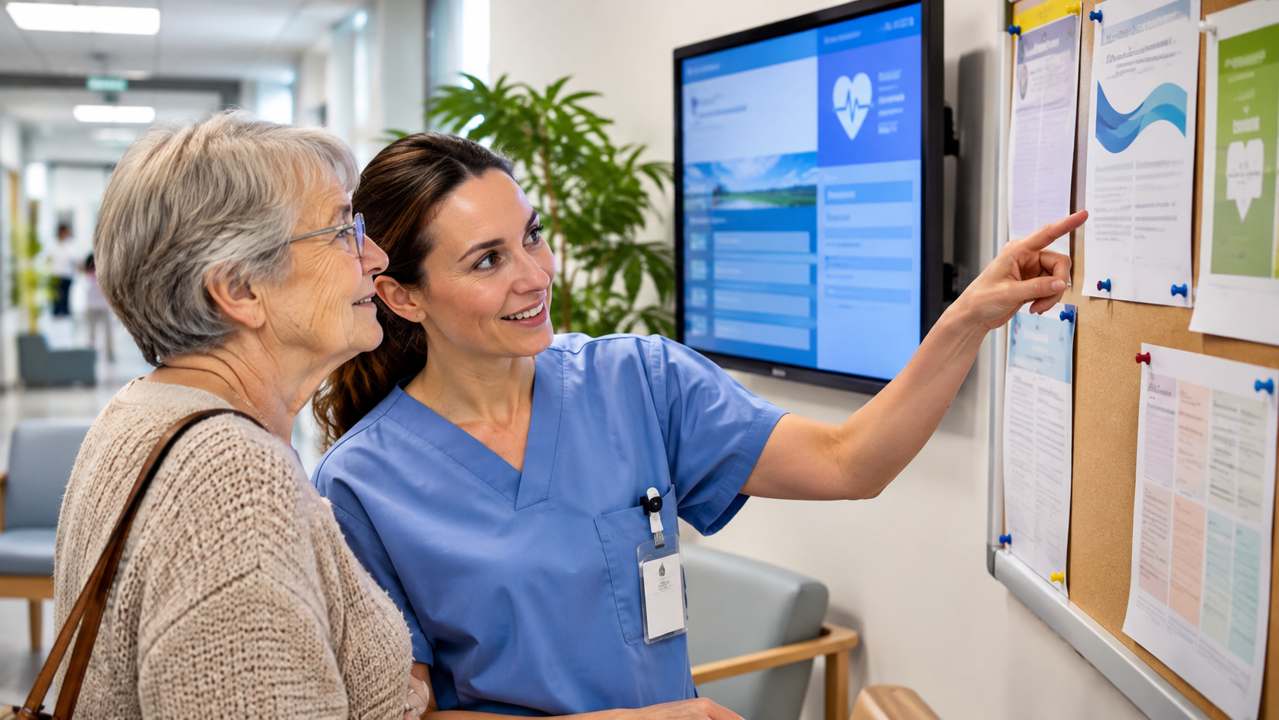
Digital displays use electronic screens to communicate information through text, images, animations, and videos. Connected content management systems allow authorized staff to update information across multiple screens.
Traditional noticeboards provide a physical surface for displaying printed announcements, educational posters, schedules, and instructions. Staff members update these materials manually when information changes.
Both systems serve similar communication purposes. Common locations include reception areas, waiting rooms, hospital corridors, staff rooms, and shared treatment spaces. Their effectiveness depends largely on the information being presented and the intended audience.
Where Digital Displays Improve Healthcare Communication
Digital technology gives healthcare organizations greater flexibility when presenting information. A single screen can display several messages throughout the day without requiring additional physical space.
A systematic review published in the European Journal of General Practice found that videos and slideshows in primary healthcare waiting rooms may improve patient knowledge. However, the researchers noted that these improvements could be limited.
Practical applications of digital displays include:
- Communicating changes to appointment schedules.
- Presenting educational videos about preventive healthcare.
- Displaying visiting hours and departmental announcements.
- Sharing infection prevention reminders.
- Providing general hospital navigation information.
Centralized content management also makes it easier to coordinate announcements across departments. However, effective communication still requires accurate content and thoughtful scheduling.
Why Traditional Noticeboards Remain Useful
Traditional noticeboards offer simplicity without dependence on electricity, software, or network connectivity. Their relatively modest installation requirements make them practical for facilities with limited technology budgets.
Printed notices also remain visible until someone removes them. Patients can review information at their own pace rather than waiting for a message to reappear on a rotating digital screen.
The Centers for Disease Control and Prevention (CDC) recommends using familiar language, clear messages, and supportive visual elements in health communication materials. These principles apply equally to printed notices and electronic content.
Traditional boards are particularly useful for displaying patient rights, permanent policies, departmental contact details, and information that changes infrequently.
Comparing Safety, Accessibility, and Maintenance Requirements
Healthcare administrators should examine how each communication method performs under everyday operating conditions. Four practical criteria help clarify their differences.
Patient Accessibility and Readability
Digital displays can present enlarged text, multilingual announcements, captions, and visual instructions. However, rapidly changing messages may create difficulties for patients who need additional reading time.
Printed notices offer consistent visibility but have limited space for alternative formats.
Guidance from NHS England emphasizes accessible signage, suitable text sizes, clear color contrast, and communication support for people with disabilities or sensory impairments. Neither display method automatically meets every accessibility requirement.
Installation and Environmental Safety
Digital screens require appropriate mounting, electrical connections, and suitable placement. Traditional noticeboards also need secure installation and materials appropriate for their surroundings.
The Joint Commission emphasizes environmental risk assessments in healthcare settings where patients may be vulnerable to self-harm. Facility managers should evaluate the complete installation rather than assume that either communication method is inherently safer.
Maintenance and Long-Term Operating Costs
Digital systems introduce expenses associated with electricity, hardware replacement, software management, and technical support. Traditional boards generally require fewer technical resources but involve printing expenses and manual updates.
Administrators should compare the total cost of ownership rather than focus exclusively on purchase prices. Information update frequency can significantly influence which system offers better operational value.
Information Updates and Communication Flexibility
Digital displays are particularly useful when information changes regularly. Authorized employees can publish revised announcements without visiting every display location.
Traditional noticeboards require physical updates. However, they provide a dependable communication channel during electrical outages or technical disruptions. This distinction becomes important when planning communication continuity.
Special Considerations for Digital Displays in Behavioral Health Facilities
Behavioral health environments require careful evaluation of electronic equipment. Exposed screens, mounting brackets, and accessible cables may present environmental safety concerns in certain treatment settings.
The Joint Commission recommends assessing environmental risks and selecting protective products appropriate to the intended healthcare setting. It does not endorse specific ligature-resistant products.
Protective television housings may help address identified risks when the screen, installation location, and intended use are appropriate. However, these protective systems cannot replace comprehensive environmental assessments, routine inspections, or established patient safety procedures.
Traditional noticeboards also require appropriate safety evaluations. Clinical teams and facility managers should collaborate when selecting communication equipment for specialized treatment environments.
When a Combined Communication Approach Makes Sense
Healthcare facilities do not necessarily need to choose one communication method exclusively. A combined approach allows organizations to match different messages with suitable presentation formats.
Digital displays can communicate frequently changing announcements and educational content. For example, they can introduce patients to digital health tracking and preventive wellness planning through general health education. Printed boards can complement these messages by providing continuous access to permanent instructions, preventive care reminders, and essential information.
The CDC Clear Communication Index encourages organizations to select communication formats based on audience needs and message objectives. Applying this principle can help healthcare administrators avoid unnecessary duplication while maintaining accessible information channels.
Regular patient feedback can also help identify communication gaps and guide future improvements.
Conclusion
Digital displays offer flexibility, multimedia capabilities, and efficient information updates. Traditional noticeboards provide simplicity, continuous visibility, and fewer technical requirements. Neither approach is universally superior.
The appropriate choice depends on patient needs, available budgets, environmental risks, and communication objectives. As healthcare technology continues to develop, facilities should prioritize accessible information and responsible equipment selection. A carefully planned communication strategy can accommodate both traditional and digital methods while supporting operational efficiency and patient safety.








 Canada-based SYN Pharma is well known in the pharmaceutical industry as the manufacturer of many of the leading brands of steroid medications including oral and injectable anabolic steroids and SARMs (a.k.a. Selective Androgen Receptor Modulators) and sexual enhancement hormones. Although the mention of steroids raises a red flag for some, it’s generally a medical term referring to synthetic or chemically formulated versions of the natural hormones produced by the human body.
 However, abuse in the use of testosterone medications or anabolic steroids have become prevalent among athletes and bodybuilders as a means to fast track their way toward achieving better performance and muscular


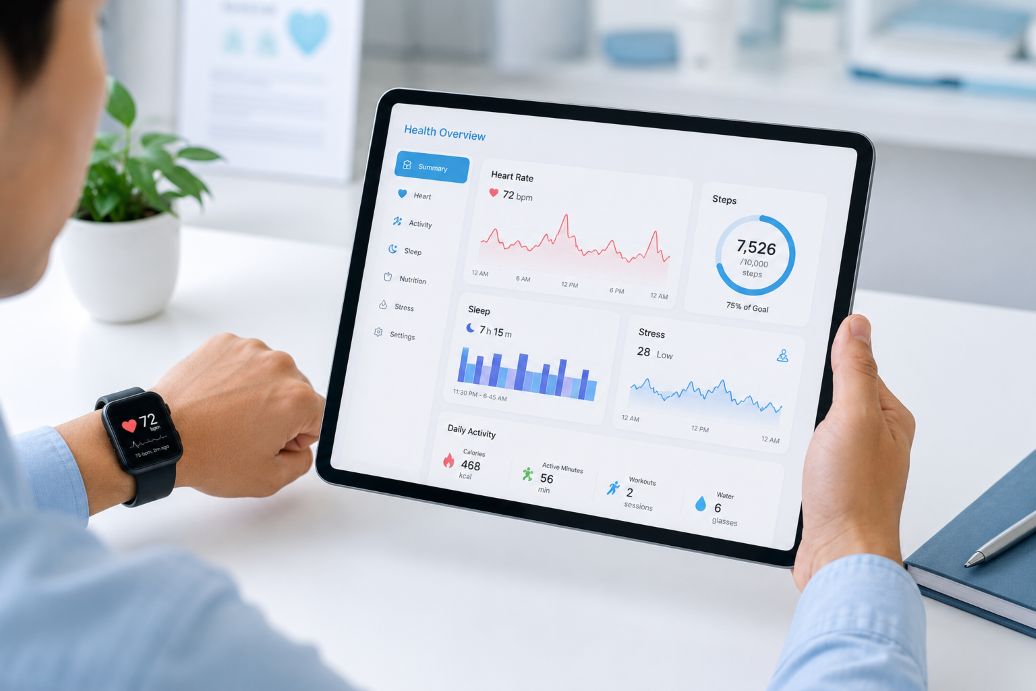
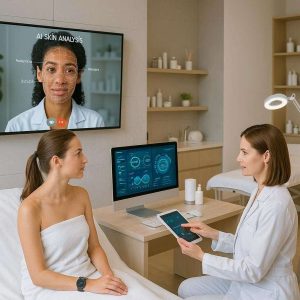 Digital health has changed the way people manage their health and wellness. In the past, many people only visited clinics when they felt sick or needed treatment. Today, technology allows people to monitor their health, improve their appearance, and support their overall wellness from almost anywhere. The rise of mobile apps, wearable devices, virtual consultations, and online wellness programs has made health services more accessible than ever.

 Digital platforms have revolutionized how people access health information. Blogs, social media, and dedicated websites are ideal tools for sharing scientific insights about honey. For instance, Australian honey is renowned for its purity and health benefits, making it a standout product in global markets. Websites like Honey for Life promote Australian honey’s unique qualities while educating people about its various applications.
 The human brain is a remarkable organ, constantly working to keep us thinking, remembering, focusing, and innovating. But what if we could give it a little extra support? That’s where nootropics, often called “smart drugs” or cognitive enhancers, come into play. These substances, whether natural or synthetic, are designed to boost brain function. But how do they
 Including digital health services within their coverage, several Florida health insurance companies today combine digital health with health insurance. By use of telemedicine, virtual consultations, and other digital health solutions, this integration lets you benefit without paying extra. See what digital health services your insurance carrier offers and how you might obtain them.
 To alleviate potential digital eye strain, Contoura Visions creates a 3D map of the cornea’s imperfections. Optimizing visual clarity and reducing the risk of post-surgery problems can be achieved with this tailored strategy.

 Using the best nebulizer device in managing and controlling a child’s asthma is necessary because sometimes unexpected exposure to asthma triggers can lead to a full blown episode of an asthma attack. Asthma in both adults and children is a chronic respiratory disease, usually manifested by a combination of coughing and wheezing. When the small airways in the lungs narrow as a result of inflammation, an asthma sufferer will also experience a tightening of the chest and shortness of breath.
 An asthma action plan includes a list of a child’s asthma triggers and a written outline of the medications and dosages to administer for certain symptoms like coughing. wheezing, chest tightening and shortness of breath. Some children have also been noted to complain of stomach pains that could be related to muscle strains caused by incessant coughing.