How Aesthetics and Wellness Are Shaping the Future of Digital Health
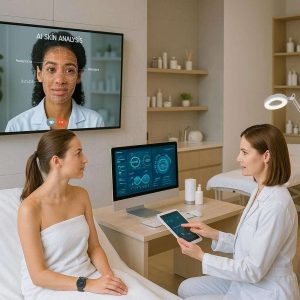 Digital health has changed the way people manage their health and wellness. In the past, many people only visited clinics when they felt sick or needed treatment. Today, technology allows people to monitor their health, improve their appearance, and support their overall wellness from almost anywhere. The rise of mobile apps, wearable devices, virtual consultations, and online wellness programs has made health services more accessible than ever.
At the same time, the aesthetics and wellness industry continues to grow. More people now look for treatments that help them feel confident, refreshed, and healthy. This includes skin treatments, body contouring, wellness therapies, stress management, and anti-aging services. Ethos Aesthetics + Wellness Hoboken has created a new approach to self-care that focuses on both physical appearance and overall well-being.
Modern consumers no longer separate health and beauty into different categories. Many people believe that looking good and feeling good are closely connected. Because of this shift, clinics and wellness providers are using digital tools to improve patient experiences, personalize treatments, and build long-term relationships with clients.
The Growing Connection Between Digital Health and Aesthetic Wellness
Digital health refers to the use of technology to improve healthcare services and patient experiences. This includes telemedicine, health tracking apps, wearable devices, artificial intelligence, and online patient management systems. These tools help people monitor their health and make informed decisions about their care.
In the aesthetics and wellness industry, digital health tools have become highly valuable. Patients can now book consultations online, track treatment progress through mobile apps, and receive personalized wellness plans without needing frequent clinic visits. This level of convenience has changed how people interact with wellness providers.
Virtual consultations are one of the biggest changes in the industry. Many aesthetic clinics now offer online consultations where clients can discuss skin concerns, wellness goals, or treatment options with licensed professionals. This saves time and allows patients to feel more comfortable before committing to treatments.
Wearable health devices also play an important role in wellness-focused aesthetics. Smartwatches and fitness trackers can monitor sleep quality, stress levels, heart rate, hydration, and physical activity. Wellness providers may use this information to recommend lifestyle changes that support better skin health, energy levels, and overall wellness.
Artificial intelligence is also becoming more common in aesthetic wellness. Some clinics use AI-powered skin analysis tools that evaluate skin texture, hydration, wrinkles, and pigmentation. These systems help providers create personalized treatment plans based on accurate data rather than guesswork.
Another important development is digital wellness coaching. Many wellness providers now offer online programs that include nutrition advice, stress management, fitness tracking, and skincare guidance. This allows clients to receive continuous support even outside the clinic environment.
The integration of technology also improves communication between clinics and patients. Automated reminders, digital follow-ups, and online support systems help patients stay engaged throughout their treatment journey. This creates a smoother and more organized experience.
Patients today expect convenience and personalization. Digital health tools help clinics meet those expectations while improving service quality. As technology continues to advance, aesthetics and wellness providers will likely continue expanding their digital services.
Why Consumers Are Choosing Wellness-Focused Aesthetic Treatments
The aesthetics industry is no longer only about cosmetic improvement. Many people now seek treatments that support relaxation, confidence, stress reduction, and long-term wellness. This shift has changed how med spas and wellness clinics position their services.
Modern consumers are more educated about health and wellness than before. Social media, online research, and digital health platforms allow people to learn about skincare, nutrition, aging, and preventive care. As a result, patients often look for treatments that support both appearance and health.
Stress is one of the biggest reasons why wellness-focused treatments are becoming more popular. Busy schedules, work pressure, and constant digital exposure can affect both physical and emotional health. Treatments such as massage therapy, facials, body therapies, and wellness programs help people manage stress while improving their appearance.
Skin health is another major concern for many consumers. Factors like poor sleep, stress, pollution, and unhealthy habits can affect the skin. Wellness-based aesthetic treatments often focus on improving skin health from both inside and outside the body. Providers may combine skincare procedures with hydration support, nutrition advice, and lifestyle recommendations.
Many people also prefer non-surgical treatments because they involve less downtime and lower risk. Treatments such as laser therapy, skin tightening, injectables, and wellness therapies allow patients to improve their appearance gradually without major procedures. Digital health tools help patients track their results and maintain their treatments more effectively.
Personalization has become extremely important in the wellness industry. Patients want treatments designed specifically for their needs. Digital technology allows clinics to collect health information, monitor progress, and adjust treatment plans over time. This creates a more customized experience for each patient.
Another reason for the growth of wellness aesthetics is preventive care. Instead of waiting for visible signs of aging or health problems, many people now take proactive steps to maintain their appearance and wellness early. Preventive skincare, wellness coaching, and healthy lifestyle programs have become common parts of many aesthetic practices.
The emotional impact of aesthetic wellness should not be ignored. Many patients report feeling more confident, motivated, and positive after improving their appearance and wellness routines. Confidence often affects social interactions, work performance, and mental well-being. Because of this, wellness-focused aesthetics can support emotional health as well.
The industry is also becoming more inclusive. Men, older adults, and younger professionals are increasingly exploring wellness and aesthetic services. Digital health platforms make these services more accessible to a wider audience.