Tracking Lifestyle Habits in the Digital Age: Where Vaping Data Fits In
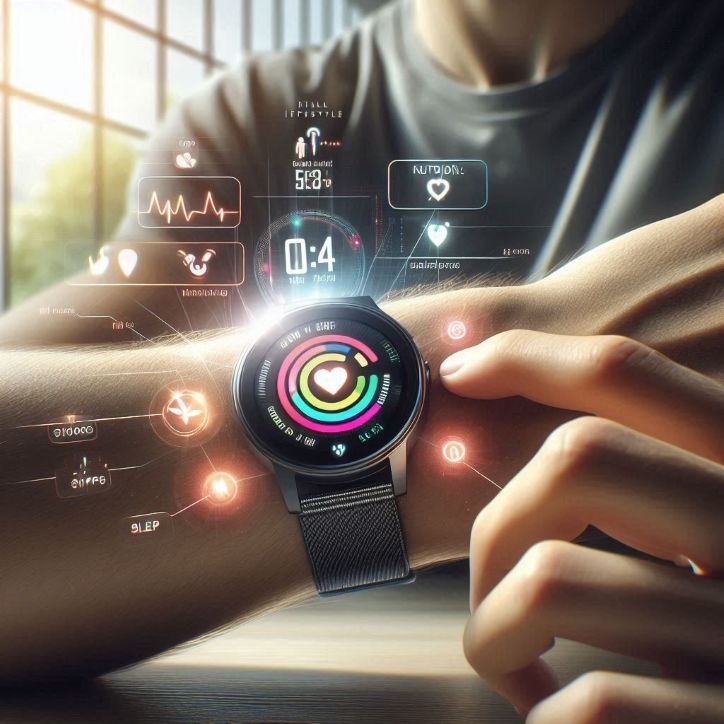
Global smartwatch shipments crossed 200 million units in recent years, and research from the International Data Corporation shows the number keeps climbing as people look for ways to monitor daily habits. Steps, sleep, heart rate, even stress levels, everything is getting tracked. Yet there is a quiet gap in this otherwise data-rich world, and it sits in behaviors that are harder to quantify, including vaping.
Most digital health platforms still rely on user input for habits like smoking or vaping, which means the data is often incomplete or inconsistent. Someone might log their steps religiously but forget to record how often they vape. That creates blind spots. Interestingly, some analysts have started exploring alternative data sources, including purchasing trends from platforms such as Wholesale Vape USA, where aggregated sales data can hint at consumption patterns. It is not about individuals, it is about understanding the bigger picture.
The Problem: Health Tracking Isn’t as Complete as It Looks
Fitness trackers have come a long way. Devices from companies like Apple and Fitbit can detect irregular heart rhythms and estimate oxygen levels. The World Health Organization has noted that digital health tools can improve awareness and early intervention when used correctly. Still, awareness only works when the data reflects reality. Tools designed for digital health tools for tracking supplement use show how consistent monitoring and real-time feedback can improve habit tracking, yet many everyday behaviors still fall outside these systems.
Here is where things get messy. Lifestyle habits such as vaping often fall through the cracks. People do not always log them. Sometimes they underestimate usage, sometimes they simply forget. It is a very human problem. You cannot blame someone for not opening an app every time they take a puff.
Experts like Dr. Eric Topol, a well-known cardiologist and digital health researcher, have pointed out that passive data collection is far more reliable than manual input. The issue is that vaping, unlike steps or heart rate, does not yet have a universal passive tracking system. That leaves a gap in datasets that aim to map overall health behavior.
Why Vaping Data Matters in the Bigger Picture
Vaping sits in a complex space between lifestyle choice and public health concern. The U.S. Centers for Disease Control and Prevention reports that millions of adults and young people use e-cigarettes, making it a behavior worth understanding at scale. Data indicates that usage patterns can shift quickly based on regulation, pricing, and social trends.
Without reliable tracking, health platforms miss context. A spike in heart rate or poor sleep might be linked to nicotine intake, but if vaping is not recorded, the connection is lost. It is like trying to solve a puzzle with missing pieces. You see the edges, but the full picture stays fuzzy.
There is also the population-level angle. Researchers rely on large datasets to understand trends. If vaping is underreported, studies may underestimate its prevalence or impact. That affects everything from public health messaging to policy decisions.
The Solution: Looking Beyond Wearables
This is where things get interesting. Instead of relying only on wearables or self-reported data, some researchers are turning to aggregated purchasing data. Bulk sales from vape distributors, for example, can reveal patterns in demand across regions and time periods.
Think about it. If a certain area sees a steady increase in bulk vape supply orders, that might suggest rising consumption. No names, no personal details, just trends. It is similar to how economists track consumer behavior through retail data. The difference is that here, the focus is health-related behavior.
Organizations like the National Institutes of Health have emphasized the value of combining multiple data sources to improve public health insights. Purchasing data adds another layer, one that is less prone to human error because it is automatically recorded at the point of sale.
Privacy Concerns, and Why They Matter
Whenever data enters the conversation, privacy follows close behind. It is a fair concern. Nobody wants their personal habits tracked in a way that feels invasive.
The key here is aggregation. Experts note that when data is anonymized and grouped, it can provide valuable insights without exposing individuals. The European Commission has highlighted anonymization as a critical step in ethical data use. In simple terms, it means seeing the forest without zooming in on a single tree.
There is still work to be done. Standards need to be clear. Transparency matters. People should know how data is used, even when it is anonymized. Trust is not automatic, it has to be earned.
Where This Is Headed
Digital health is evolving fast, sometimes faster than we can keep up with. The idea of combining wearable data with external sources like vape distribution trends might have sounded odd a few years ago. Now, it feels like a logical next step.
Imagine a future where health dashboards quietly integrate multiple signals. Your smartwatch tracks your body, while broader datasets provide context about your environment and habits. It would not tell you what to do, but it could help experts design better interventions and policies.
Even industries tied to vape wholesale distribution or bulk e-cigarette supply chains could play a role here, not as promoters, but as data contributors in a larger ecosystem focused on understanding behavior.
At the end of the day, tracking lifestyle habits is about clarity. The more complete the data, the better the insights. And sometimes, the missing pieces come from places we did not initially consider. Funny how that works. The future of health tracking might depend as much on what we buy in bulk as what we wear on our wrists.